
A slow or clogged drain is one of the most common plumbing problems homeowners deal with. When it happens, the first question is usually the same: should you handle it yourself or call a plumber?
The honest answer is, it depends. Some clogs are simple enough to clear in minutes with tools you already have. Others are signs of a bigger problem that DIY methods won’t fix. Knowing the difference saves you time, money, and frustration.
This guide breaks down DIY vs. professional drain clearing so you can make a smart decision the next time your drain backs up.
Key Takeaways
- DIY methods work best on minor, surface-level clogs.
- Store-bought drain cleaners can damage your pipes over time.
- Recurring clogs, multiple slow drains, or foul odors usually point to a deeper problem.
- A professional plumber has tools and training to clear blockages without causing damage.
- Calling a pro early can prevent a bigger, more expensive repair later.
When DIY Drain Clearing Actually Works
DIY drain clearing is a reasonable first step when the clog is small and close to the drain opening. Hair, soap scum, and food buildup near the surface of a drain are the types of clogs that respond well to at-home solutions.
DIY Methods That Are Worth Trying
A drain snake or a plastic hair clog remover tool can pull out debris that’s just below the drain cover. These cost a few dollars at any hardware store and are safe to use in most drains.
Boiling or very hot water can sometimes break up grease buildup in kitchen sinks. Pour it slowly and give it a minute to work before running the faucet again.
A combination of baking soda and white vinegar can help with mild odors and light buildup. Pour half a cup of baking soda into the drain, follow with half a cup of vinegar, wait 15 minutes, then flush with hot water.
A plunger is still one of the most useful tools you can own. It works best on toilets and kitchen sinks. Make sure you have a good seal before plunging.
What to Avoid at the Hardware Store
Liquid drain cleaners like Drano or Liquid-Plumr are popular, but they come with risks. These products use strong chemicals that can corrode older metal pipes and damage PVC pipes with repeated use. They also don’t work well on solid blockages or clogs deep in the line. If one attempt doesn’t work, pouring in more of the product can make the situation worse and more hazardous for a plumber to work with later.
When You Need a Professional Plumber
There are clear signs that a clog is beyond what a plunger or baking soda can handle. Ignoring these signs often leads to bigger problems down the road.
Signs a DIY Fix Won’t Cut It
If the same drain keeps clogging every few weeks, there’s likely a buildup deep in the pipe that surface-level methods aren’t reaching. A plumber can locate where the buildup is and clear it properly.
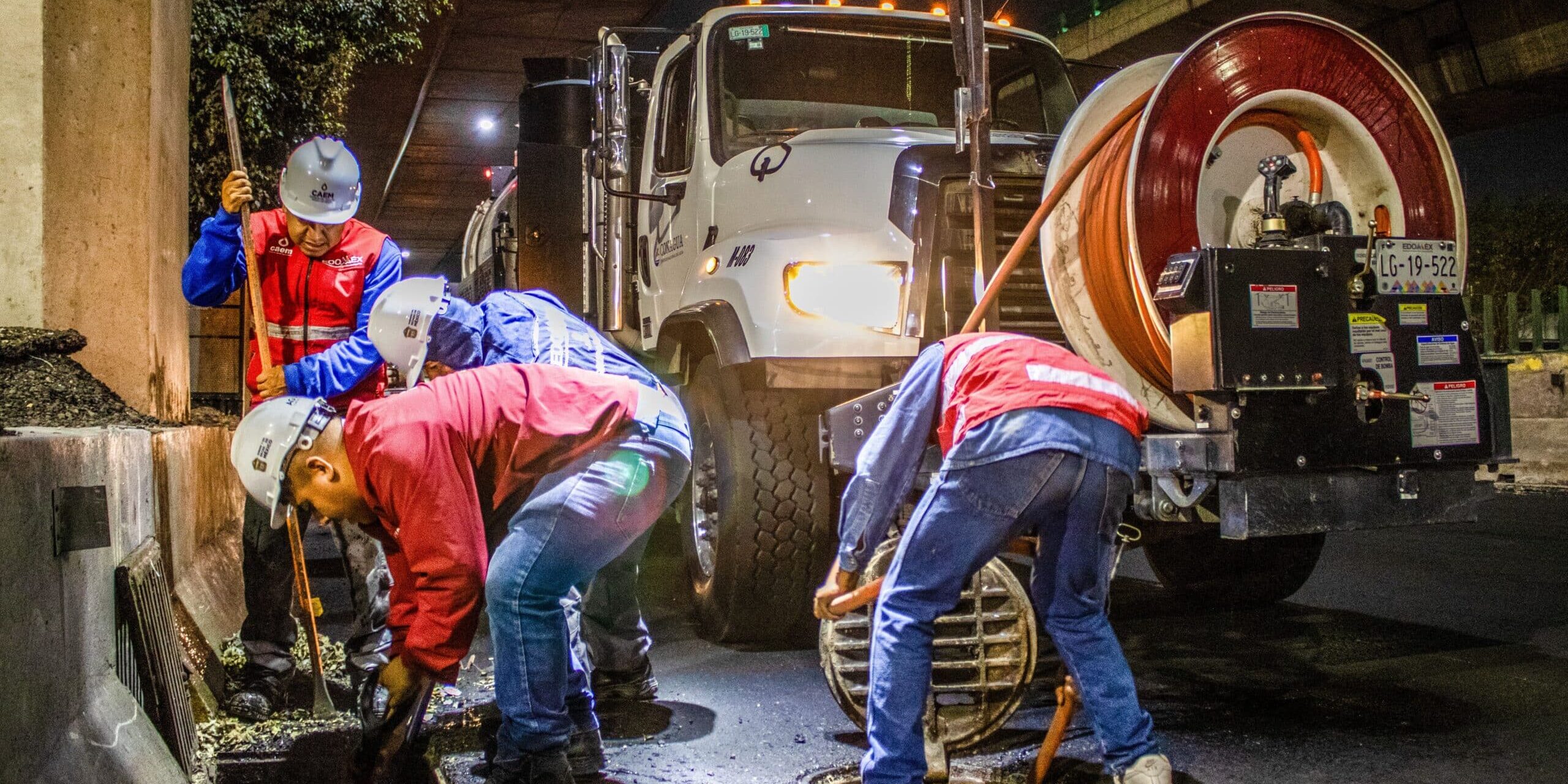
Multiple slow drains in your home at the same time are a red flag. This usually means there’s a blockage in the main drain line, not just one individual drain. That type of clog requires professional equipment like a hydro jet or a motorized drain auger.
Gurgling sounds coming from your drains or toilet after water goes down can mean air is trapped in the line because of a partial blockage. Sewage odors coming from drains are another warning sign.
Water backing up into other fixtures, such as running your bathroom sink and seeing water come up in the tub, means the blockage is in a shared part of your plumbing system. This is not a DIY situation.
What a Professional Does Differently
A licensed plumber has access to tools that most homeowners don’t. Hydro jetting uses high-pressure water to break up and flush out grease, scale, and debris from deep inside pipes. Drain cameras let a plumber see exactly what’s inside the line, whether it’s a grease buildup, tree root intrusion, or a pipe that’s starting to collapse.
These tools don’t just clear the clog. They help identify what caused it so the fix actually lasts.
How to Avoid Frequent Drain Clogs
Prevention is simpler than most people think. A few habits can keep your drains clear and reduce the need for either DIY fixes or professional calls.
Simple Habits That Protect Your Drains
Use a drain screen in your shower and tub to catch hair before it goes down the pipe. Clean it out every week or two.
Never pour grease, oil, or fat down the kitchen sink. Let it cool in a container and throw it in the trash. Grease is one of the top causes of kitchen drain clogs.
Only flush toilet paper down the toilet. Wipes, paper towels, and cotton products, even those labeled flushable, can build up in the line and cause serious blockages.
Run hot water down your kitchen drain for 30 seconds after each use. This helps flush any residue through the pipe before it can harden.
Frequently Asked Questions
Can I use a drain snake if I’ve never used one before?
Yes. A basic hand-held drain snake is simple to use and safe for most drains. Feed it into the drain slowly and turn the handle when you feel resistance. Pull it out to remove whatever it catches. For deeper or tougher clogs, a motorized auger is more effective, but those are better handled by a professional if you’re not experienced.
How do I know if my main drain line is clogged?
The most common signs are multiple drains backing up at once, water coming up in unexpected places when you flush or run water, and gurgling sounds from your toilet or drains. If you notice any of these, stop using water-heavy appliances and call a plumber right away.
Are chemical drain cleaners safe for all pipes?
No. Chemical drain cleaners can damage older galvanized or cast iron pipes and soften PVC pipes over time. They’re also harmful if they splash on skin or are mixed with other chemicals. Most plumbers recommend avoiding them entirely and using a physical tool like a drain snake instead.
How often should I have my drains professionally cleaned?
For most homes, a professional drain cleaning once a year is a good preventive step. If you have older pipes, large trees near your sewer line, or a history of frequent clogs, more frequent service may be worth it.
What happens if I ignore a slow drain for too long?
A slow drain usually gets worse, not better. Over time, the partial blockage can become a full blockage or put pressure on older pipes. In some cases, a neglected clog can lead to a pipe backup that causes water damage inside your home.
Still Dealing With a Stubborn Drain?
DIY drain clearing works for minor clogs, but it has limits. If your drain keeps coming back slow, multiple drains are affected, or you’re noticing odors and gurgling sounds, those are signs that something bigger is going on.
Maxwell’s Plumbing and Drain has the tools and experience to find the real cause of your drain problem and clear it the right way. Don’t wait until a small clog turns into a bigger repair. Contact Maxwell’s Plumbing and Drain today at maxwellsplumbing.com to schedule your drain service.