
Your sewer line just failed, and a plumber told you that you need pipe repairs. The thought of tearing up your yard, driveway, or landscaping probably makes you cringe. You want to know what trenchless pipe rehab costs and whether it fits your budget.
Trenchless technology fixes damaged pipes without destroying your property. The method costs more upfront than traditional dig-and-replace work, but it saves you money on restoration. This guide breaks down what you can expect to pay and what affects your final bill.
Key Takeaways
- Trenchless pipe rehab typically costs between $80 and $250 per linear foot
- Most homeowners pay between $4,000 and $15,000 for a full sewer line repair
- Pipe lining costs less than pipe bursting in most cases
- You avoid landscaping restoration costs that can add $2,000 to $10,000 or more
- Your final cost depends on pipe length, damage severity, and access points
- Permits and inspections add $200 to $800 to your total
What Is Trenchless Pipe Rehab?
Trenchless pipe rehab fixes your damaged sewer or water lines with minimal digging. Plumbers use two main methods: pipe lining and pipe bursting.
Pipe lining creates a new pipe inside your old one. A technician inserts a resin-coated liner through an access point, inflates it, and lets it cure. The new liner seals cracks and stops leaks.
Pipe bursting breaks apart your old pipe while pulling in a new one. A bursting head splits the damaged pipe and pushes the fragments into the surrounding soil. A new pipe follows right behind it.
Why Homeowners Choose Trenchless Methods
You keep your yard intact. Traditional pipe replacement requires digging a trench that runs the entire length of your sewer line. This destroys grass, gardens, driveways, and sidewalks.
The work gets done faster. Most trenchless jobs finish in one or two days. Traditional excavation can take a week or longer, especially when you factor in restoration work.
You get a durable solution. Modern trenchless materials last 50 years or more. The new pipe resists root intrusion, corrosion, and scale buildup better than older materials.
Average Trenchless Pipe Rehab Costs
The national average for trenchless pipe rehab ranges from $80 to $250 per linear foot. Your total bill depends on which method your plumber uses and how long your pipe runs.
Pipe Lining Costs
Pipe lining typically costs $80 to $180 per linear foot. A standard 50-foot residential sewer line runs $4,000 to $9,000. The price includes camera inspection, cleaning, liner materials, and labor.
This method works best when your existing pipe still has structural integrity. Small cracks, holes, and root intrusion respond well to lining. Your plumber will tell you if your pipe qualifies after a video inspection.
Pipe Bursting Costs
Pipe bursting costs $100 to $250 per linear foot. The same 50-foot line costs $5,000 to $12,500. This method requires more equipment and labor than lining.
Choose pipe bursting when your pipe has collapsed sections or severe damage. This method also lets you increase your pipe diameter, which helps prevent future clogs.
Factors That Affect Your Final Cost
Several variables change what you pay for trenchless pipe rehab. Understanding these factors helps you budget accurately and avoid surprise charges.
Pipe Length and Diameter
Longer pipes cost more to repair. A 100-foot sewer line costs roughly double what a 50-foot line costs. Larger diameter pipes also increase your bill because they require more materials.
Most residential sewer lines measure 4 to 6 inches in diameter. Water lines typically run 3/4 inch to 1 inch. Your plumber measures your pipe during the initial inspection.
Damage Severity and Location
Extensive damage requires more prep work. Your plumber may need to remove tree roots, clean heavy scale buildup, or repair connection points. Each additional step adds to your labor costs.
Pipes under driveways or buildings cost more to access. Your plumber may need to create additional access points, which increases both time and expense. Pipes in rocky soil also require more effort to reach.
Permits and Inspections
Most cities require permits for sewer line work. Permit costs range from $200 to $800 depending on your location. Some areas also require a final inspection before closing the permit.
Your plumber typically handles permit applications as part of their service. Ask about permit costs upfront so you can include them in your budget.
Access Point Creation
Trenchless methods need at least one access point, sometimes two. If your home lacks a cleanout or existing access, your plumber digs a small pit. This adds $500 to $1,500 to your project.
Access points measure roughly 2 feet by 2 feet. They cause far less damage than a full trench, and restoration costs stay minimal.
Comparing Trenchless vs. Traditional Repair Costs
Traditional pipe replacement costs $50 to $100 per linear foot for materials and labor. That sounds cheaper than trenchless methods, but it tells only part of the story.
Hidden Costs of Traditional Excavation
You pay thousands to restore your property after traditional excavation. Landscaping restoration costs $2,000 to $5,000 for basic yard work. Driveway or sidewalk replacement adds $3,000 to $10,000 or more.
Traditional methods also take longer, which means more time without water or sewer service. Some homeowners need to arrange temporary facilities or stay elsewhere during repairs.
Long-Term Value of Trenchless Technology
Trenchless repairs last longer than traditional replacements when done correctly. The seamless design prevents root intrusion and reduces maintenance needs. Most trenchless pipes come with 50-year warranties.
Your property value stays protected. Large trenches and patchy restoration work hurt curb appeal. Trenchless methods leave your yard looking untouched, which matters when you sell your home.
How to Get Accurate Quotes
Contact at least three licensed plumbers who specialize in trenchless technology. Not all plumbers offer these services, so confirm their experience before scheduling consultations.
Ask each plumber to perform a camera inspection before quoting. Video inspections show exactly what your pipe needs and help prevent surprise charges later. Most companies offer free or low-cost inspections with repair estimates.
Compare quotes carefully. The lowest bid may skip important steps or use inferior materials. Look for detailed estimates that break down labor, materials, permits, and any additional fees.
Check licenses and insurance. Your plumber should carry general liability and workers compensation coverage. Ask for proof of both before signing any contracts.
FAQ
How long does trenchless pipe rehab take to complete?
Most trenchless pipe repairs finish in one to two days. The timeline depends on your pipe length and damage severity. Simple pipe lining jobs often complete in a single day, while complex pipe bursting may take two days. Traditional excavation typically requires five to seven days or longer.
Does homeowners insurance cover trenchless pipe rehab?
Most homeowners insurance policies do not cover sewer line repairs, including trenchless methods. Insurance typically covers sudden, accidental damage but excludes gradual deterioration from age or poor maintenance. Some companies offer sewer line endorsements for an additional premium. Check your policy or call your insurance agent to confirm your coverage.
Can trenchless methods fix all pipe problems?
Trenchless technology fixes most common pipe issues, including cracks, leaks, root intrusion, and corrosion. However, pipes with severe bellying, complete collapse in multiple sections, or certain connection problems may require traditional excavation. Your plumber determines the best approach after a camera inspection.
How do I know if my pipes need repair?
Watch for slow drains throughout your home, sewage backups, wet spots in your yard, foul odors near drain lines, or increased water bills. These signs often indicate pipe damage. Schedule a camera inspection if you notice any of these problems. Early detection prevents more expensive repairs later.
Will trenchless repair work in winter weather?
Yes, trenchless methods work year-round in most climates. Pipe lining materials cure properly in cold weather, though cure times may extend slightly. Frozen ground can make access point creation more difficult but does not prevent the repair itself. Your plumber advises you if weather conditions affect your specific project.
Get Professional Trenchless Pipe Repair
Trenchless pipe rehab costs more upfront than traditional methods, but it saves you thousands in restoration expenses and protects your property. You get a long-lasting solution that typically finishes in one or two days.
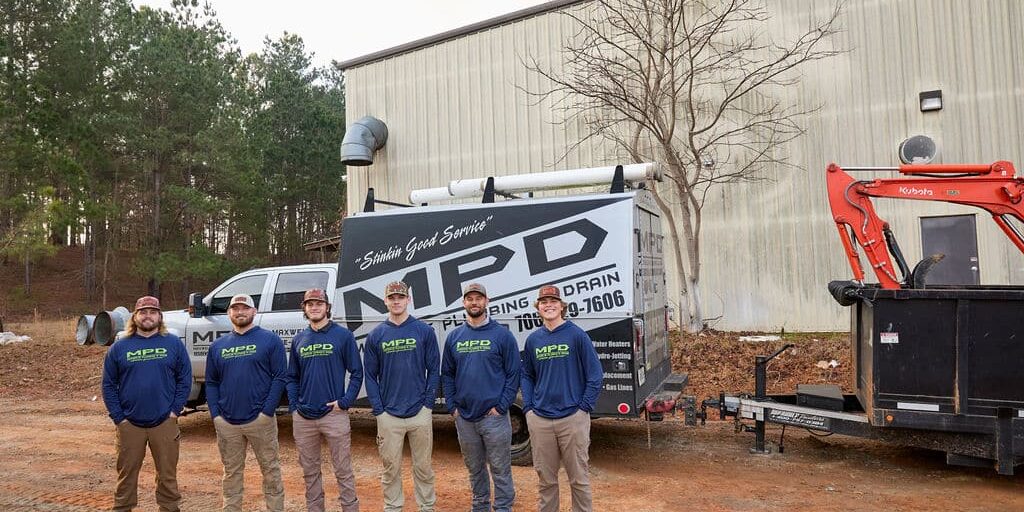
Maxwell’s Plumbing and Drain specializes in trenchless technology that keeps your yard intact. Our licensed technicians use camera inspections to diagnose problems accurately and recommend the right repair method for your situation. We provide detailed estimates with no hidden fees, and our work comes with strong warranties that protect your investment.
Contact Maxwell’s Plumbing and Drain today to schedule your free camera inspection and get a detailed quote for your trenchless pipe repair.