
A slow drain can seem like a small problem. But sometimes it points to something more serious underneath your home. When a drain is cracked, collapsed, or corroded beyond repair, replacement is the right call. Knowing what the process looks like helps you feel confident going into it, not caught off guard.
Key Takeaways
- Drain replacement typically starts with a camera inspection to find the exact problem.
- Common signs you need replacement include recurring clogs, foul odors, and water backing up.
- The process usually takes one to two days depending on the location and severity of damage.
- Trenchless methods can reduce digging and speed up the job significantly.
- A licensed plumber should always handle drain replacement to avoid further damage.
- Maxwell’s Plumbing serves Evans, GA and surrounding areas within 50 miles.
Signs Your Drain Needs to Be Replaced
Not every clog means your drain is failing. But certain patterns are hard to ignore. If you notice the same drain backing up over and over despite cleaning, something deeper is going on. Gurgling sounds, slow draining in multiple fixtures at once, and sewage odors inside your home are all serious signals.
Tree root intrusion is another common cause of drain failure, especially in older neighborhoods. Roots grow toward moisture, and they can crack or collapse a drain line over time. If your yard shows wet spots or sunken patches for no clear reason, your drain line may already be damaged underground.
When Repair Is Not Enough
Minor cracks or short blockages can sometimes be handled with drain cleaning or spot repairs. But if the pipe is collapsed, severely corroded, or failing along a long stretch, repair will not hold. A full replacement becomes the more reliable and cost-effective solution over time. A licensed plumber can tell you which option makes sense after a proper inspection.
Step-by-Step: The Drain Replacement Process
Understanding each phase of the process helps you know what to expect on the day of service. The steps below reflect what a professional drain replacement job typically looks like from start to finish.
Step 1: Camera Inspection
The job starts with a video camera inspection. A plumber feeds a small camera through the drain line to see exactly what is happening inside the pipe. This step shows the location and extent of the damage. It also helps determine whether trenchless methods are an option or whether digging will be required.
Step 2: Choosing the Replacement Method
There are two main approaches to drain replacement. Traditional replacement involves digging a trench to remove and replace the old pipe. Trenchless pipe rehabilitation uses technology to repair or replace the line from the inside, with little to no digging. Trenchless methods can protect your lawn, driveway, and landscaping. The right method depends on the damage, the pipe material, and how the line is positioned underground.
Step 3: Removal and Installation
Once the method is chosen, the old pipe is removed or relined. New pipe material, usually PVC or HDPE, is installed in its place. The plumber checks for proper slope and alignment so water flows correctly. This part of the job is where experience really matters. A poorly installed drain line can cause problems just as bad as the original damage.
Step 4: Testing and Cleanup
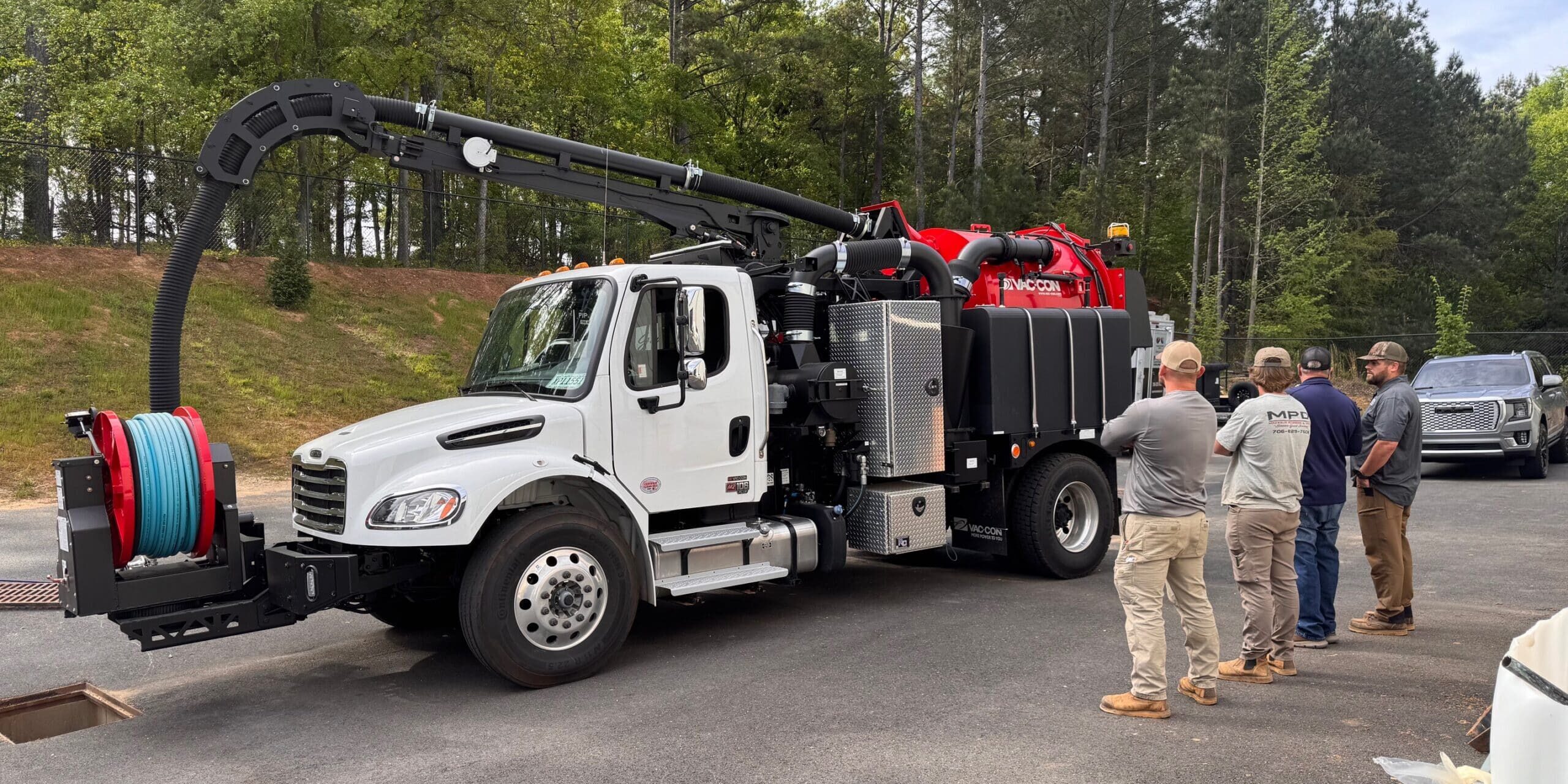
After installation, the plumber runs water through the line and checks for leaks or flow issues. Some jobs include a final camera pass to confirm everything looks right. If any digging was done, the area is backfilled and cleaned up before the crew leaves. Maxwell’s Plumbing takes care of the full job, not just the pipe itself.
How Long Does Drain Replacement Take?
Most residential drain replacements take one to two days. Simpler jobs on short sections of pipe can sometimes be done in a few hours. Larger jobs, especially those involving the main sewer line or deep underground pipes, may take longer. The camera inspection on day one often tells you what to expect for the rest of the project.
Factors That Affect the Timeline
The depth of the pipe matters. Pipes buried deeper underground take more time to access. The type of soil in your yard also plays a role; rocky or clay-heavy ground slows digging. Pipe length and the number of connections involved can extend the job as well. Your plumber should give you a realistic timeline before work begins so you can plan accordingly.
If you are in the Evans, GA area and want to understand the full scope of what your job might involve, the team at Maxwell’s Plumbing can walk you through it during the initial inspection. You can also browse plumbing tips and resources on their site to stay informed.
Frequently Asked Questions
How do I know if my drain needs to be replaced or just cleaned?
If the same drain keeps clogging after professional cleaning, or if your plumber finds a collapsed or severely cracked pipe during a camera inspection, replacement is likely needed. Cleaning removes blockages, but it cannot fix structural pipe damage.
Will drain replacement damage my yard or driveway?
It depends on the method used. Traditional replacement requires digging, which can affect your lawn or driveway. Trenchless methods minimize surface disruption significantly. Ask your plumber which method applies to your situation before work begins.
Can I use my plumbing during a drain replacement?
In most cases, water use will be limited or shut off during the replacement itself. Your plumber will let you know the specific restrictions ahead of time. Most jobs are completed quickly enough that the disruption is minimal.
What pipe materials are used in modern drain replacement?
PVC and HDPE are the most common materials used today. Both are durable, resistant to corrosion, and have long service lives compared to older cast iron or clay pipes. Your plumber will recommend the right material based on your specific drain system.
Is drain replacement covered by homeowners insurance?
It depends on your policy and the cause of the damage. Sudden damage from a covered event may be eligible for a claim. Gradual deterioration is usually not covered. Check your policy directly and contact your insurance provider before assuming coverage applies.
Ready to Get Your Drain Replaced the Right Way?
Drain problems do not fix themselves. The longer a damaged drain goes unaddressed, the more it can affect your entire plumbing system. If you are seeing any of the warning signs covered in this post, it is time to get a professional opinion. You can also check out common signs of pipe damage to see if other issues may be connected.
Maxwell’s Plumbing has been serving homeowners in Evans, GA and the surrounding CSRA area since 2020. The team handles everything from the initial camera inspection to the final cleanup, using both traditional and trenchless methods depending on what the job calls for. To schedule an inspection or get answers about your drain, visit maxwellsplumbing.com or call to speak with a technician directly.