
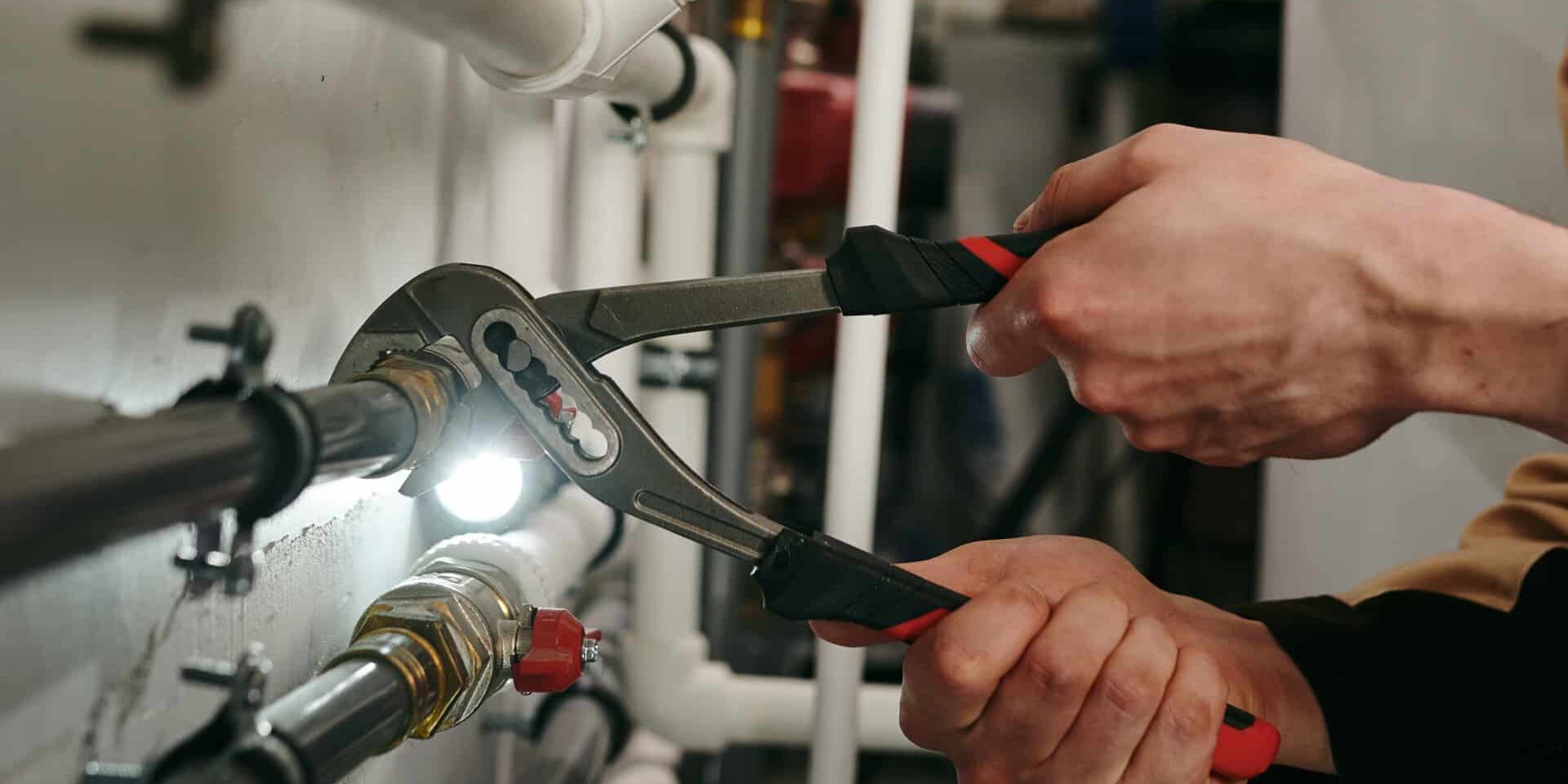
Noisy water pipes are more than just annoying for homeowners; they can also mess up daily life, cause extra stress, and be an indication of plumbing problems that, if not fixed, can lead to costly repairs. Finding out what’s causing pipe noise is important for both homeowners and plumbers to keep the home environment functional and peaceful.
This guide goes into detail about the most common causes of noisy pipes and gives practical strategies for fixing them quickly.
Identify Common Causes of Noisy Water Pipes
There are many reasons why water pipes make noise, and each one has its own set of signs and causes. Finding these problems is the first step in fixing them.
Water Hammer: The Culprit Behind Sudden Pipe Banging
Water hammer is one of the most prevalent reasons for noisy water pipes. It happens when the flow of water is suddenly stopped, usually by swiftly turning off a faucet or valve. This sends shock waves through the pipes. These shock waves go through the plumbing system, which makes the pipes rattle and bang loudly.
Water hammer is especially hazardous in older homes or systems that don’t have current safety features like water hammer arrestors. It makes a lot of noise and stresses pipe joints over and over again, which weakens them over time. Water hammer is often the cause of loud, echoing bangs after using water fixtures.
Pipe Vibrations: Loose Fittings and Inadequate Support
Loose fittings or not enough support for pipes can produce vibration, which is a common reason for noisy water pipes. When water flows through poorly secured pipes, they move and hit walls, floors, or other pipes.
This process makes a sound termed “rattling.” This problem usually happens in homes where brackets or fasteners have come loose over time or, worse, were put in wrong when the house was built.
When pipes vibrate, they make sounds that range from soft tapping to loud banging. If these sounds are ignored, they can get worse and cause what is known as structural damage. Walls or floors may wind up taking the brunt of the damage.
High Water Pressure: A Silent Contributor to Loud Pipes
High water pressure is one of the most common causes of noisy pipes. It causes turbulence in the plumbing system, which makes sounds like whistling, buzzing, or even slamming. Too much pressure makes noise worse and puts unnecessary stress on plumbing parts, which raises the danger of leaks, broken pipes, and early wear.
Homeowners should investigate high water pressure, often associated with noisy pipes, particularly when these sounds occur in multiple fixtures. A basic pressure gauge can tell you whether the pressure is too high, which is usually between 40 and 60 psi (pounds per square inch).
Air Trapped in Pipes
Air bubbles stuck in your plumbing system can cause sounds of gurgling or rattling. Often, this issue arises following maintenance tasks like system draining or in homes with well water systems.
Practical Fixes for Noisy Water Pipes
Once you identify the cause of your noisy water pipes, you can address the issue effectively. Here are some beneficial solutions for each of the most common problems.
Installing Water Hammer Arrestors
You can stop the water hammer effect by installing water hammer arrestors. These gadgets soak up the shockwaves that happen when water flow changes suddenly, stopping the hammering sound.
It’s not too difficult to put them in, and you can add them to your plumbing system near appliances that cause problems, such as dishwashers or washing machines.
Securing Loose Pipes
Check your plumbing system for loose straps or brackets if your pipes are rattling or knocking. To keep the pipes in place, use pipe clamps or cushioning materials. This procedure not only gets rid of the noise, but it also stops wear and tear from frequent movement.
Adjusting Water Pressure
You can fix high water pressure by putting in a pressure-reducing valve (PRV). Most home plumbing systems work best when the water pressure is between 40 and 60 psi. Check the water pressure in your home with a pressure gauge, and if it’s too high or too low, change the PRV to bring it back within the optimum range.
Bleeding Air out of the System
You need to bleed the system if air is stuck in your pipes. To begin, switch off the main water supply and open all the faucets in your house to let the water out. Once the system is empty, slowly turn the water back on so that air can go out. This should make the water flow smoothly and quietly again.
The Importance of Regular Maintenance
If you want to avoid dealing with noisy water pipes in the first place, it is always easier to prevent them from occurring. To ensure that your plumbing system remains in pristine shape, it is essential to do routine maintenance.
Regular inspections should be done to check for loose pipes, monitor water pressure, and ensure that all fixtures and valves are working. You can avoid larger problems and the associated repair expenditures in the future if you notice smaller problems early on and address them at an earlier stage.
When to Call a Professional Plumber
You can fix many loud pipe problems yourself, but some circumstances need the help of a professional for plumbing repairs. If your water hammer doesn’t go away even after you put in an arrestor, or if you think there might be a bigger problem like pipe corrosion or bad installation, you should consult a skilled plumber.
Professionals have the equipment and experience to find and resolve complicated problems, making sure that your plumbing system works securely and efficiently.
The Role of Quality Plumbing Materials
Another strategy to lower the chance of noisy water pipes is to choose high-quality plumbing materials. Over time, cheap or cheaply manufactured pipes and fixtures are more likely to wear down, leak, and make noise. You can make your plumbing system last longer and work better by using strong materials and working with trusted vendors.
Conclusion
If your water pipes are making noise, it’s not just annoying; it’s a symptom that something is wrong with your plumbing system. You can take specific steps to resolve the problem if you know what the most typical causes are, such as water hammer, loose pipes, high water pressure, or trapped air.
The appropriate fix, such as putting in water hammer arrestors, tightening loose pipes, or changing the water pressure, can bring peace back to your home.
Don’t forget how important it is to use proper materials and do regular maintenance to keep problems from happening in the future. And please keep in mind that a professional plumber can help you address even the most stubborn problems when DIY methods don’t work.
You can make sure that your plumbing system works well, quietly, and smoothly for years to come if you do things the proper way.