
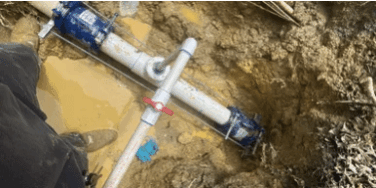
A water pipe burst in a house can go from being a small problem to a major issue that costs a lot of money very rapidly. Freezing temperatures, old plumbing, or too much water pressure are all classic reasons for these kinds of problems.
If a water pipe breaks within your house, it can cause floods, damage to your property, and even jeopardize the structure of your house. It is essential to respond quickly and strategically to limit harm and get things back to normal.
This article tells you exactly what to do if a water pipe bursts in your house. It covers everything from what to do right away to how to keep your home safe from plumbing problems in the future.
Immediate Response: Stopping the Flow of Water
The first and most important thing to do when a water pipe bursts in your house is to halt the flow of water. Find your home’s main shut-off valve and turn it off right away. This will stop the flooding and give you time to figure out what to do next.
Locate the shut-off valve in advance of any emergency. It’s usually in the basement near the water meter or outdoors in a utility box. This will save you valuable time.
Next, find out where the burst pipe came from. Look for signs like water pooling in certain areas, ceilings dripping unexpectedly, or walls feeling strangely damp. This information will help you focus your efforts and better explain your concerns when you talk to professionals.
Safety Precautions: Protecting Your Home and Family
Before starting repairs or cleaning up, safety must come first because water and electricity are a dangerous mix. If water gets into electrical outlets, appliances, or wiring, the electricity to those areas must be turned off at the circuit breaker. Don’t stand in water while you do these tasks to avoid getting shocked.
Furthermore, check how bad the water damage is: basements, crawl spaces, and rooms with carpet are all very prone to mold growth and moisture buildup. To prevent more damage, take out precious objects, furniture, and electronics at once. If you think the water is dirty or you see mold, put on gloves, waterproof boots, and other protective clothing.
Temporary Measures: Controlling the Leak Until Help Arrives
First, stop the leak from getting worse, and then fix it. Use temporary remedies to keep the water damage to a minimum while you wait for help from a professional. Use pipe clamps or rubber patches to fix small cracks or holes in the pipe. These will quickly seal the hole and stop more problems from happening.
Homeowners can use affordable supplies like waterproof tape or epoxy putty, which are easy to find at most hardware stores, to temporarily halt leaks. These are important items to have in an emergency kit.
Keep in mind that these fixes won’t last forever. These treatments are only meant to cure the problem temporarily; they should never take the place of professional repairs. Relying too much on these fixes could cause leaks to happen again and again, which will lead to worse problems later on.
Contacting Professionals: The Importance of Expert Repairs
A burst water pipe needs immediate and professional plumbing repair. While temporary fixes can help for a short time, licensed plumbers have the right tools and knowledge to fix or replace broken pipes. They also investigate the root causes to ensure a complete solution to the problem.
Corroded pipes, excessive water pressure, or bad installation are all different problems. To prevent what are referred to as “recurring incidents,” it is important to address the core cause.
When hiring a plumber, it’s important to pay attention to a few crucial things: look for specialists who are known for their ability to fix things quickly and have favorable evaluations from customers. These are signs that they can be trusted.
Many plumbing companies stress that they are available 24/7. This means that you may get help right away in an emergency. Always tell the plumber exactly what the problem is, including the broken pipe’s location and any temporary fixes you’ve made.
Long-Term Prevention: Protecting Your Home from Future Bursts
Resolve the current issue first, then focus on prevention: preventative steps and routine maintenance, such as arranging yearly plumbing inspections, can significantly reduce the likelihood of a broken water pipe in your home. A licensed plumber discovers possible vulnerabilities, such as old pipes, high water pressure, and other hazards, before they become serious problems.
If you live in an area where the temperature might drop below freezing, insulating your pipes is a must. Pipe insulation sleeves are a cheap and easy way to protect your pipes from the cold. Furthermore, keeping an eye on the water pressure in your property is important. Keeping it in a safe range can help prevent damage. Too much water pressure can put stress on your pipes, making them more likely to break.
Please inform your family about the location of the main water shut-off valve, its function, and how to operate it. Emergencies are unpredictable, so making sure everyone knows can speed up response times by a lot.
Conclusion
A broken water pipe in your home can be unpleasant and expensive, but you can protect your home and limit damage by taking action right away to stop the water flow, putting safety first, and making interim repairs. Engage a licensed plumber to ensure a comprehensive solution to the problem.
To protect your home from unforeseen issues, commit to taking preventative steps, such as regular inspections and installing the right pipe insulation. These steps will keep your home safe for a long time.
Stay prepared and proactive: transform a potentially devastating circumstance into a manageable problem. In plumbing problems, time is of the essence; act swiftly, prioritize safety, and rely on professionals to restore your home to normalcy.