You might have thought, “Why do pipes rattle?” if you’ve ever heard a thumping, knocking, or vibrating sound emanating from inside your walls. These sounds may be bothersome, but they could also mean that there are plumbing problems that homeowners need to pay attention to.
Loose couplings or too much water pressure can make pipes rattle. Resolving the problem early might help avoid big plumbing problems and repairs that could cost a lot of money. If you want to keep your plumbing system safe and working well, you need to know what causes pipes to rattle and how to fix them. This is true whether you own a home, rent one, or are a plumber.
1. High Water Pressure
High water pressure is one of the most common reasons why pipes rattle. Water that flows too quickly through your pipes can make them shake, which can be heard throughout your plumbing system. Occasionally, the pressure is so high that pipes hit the walls or brackets inside the building.
Signs of High Water Pressure:
- Sounds of slamming or vibrating are loud.
- Water flow stops or starts suddenly
- Leaks occur frequently.
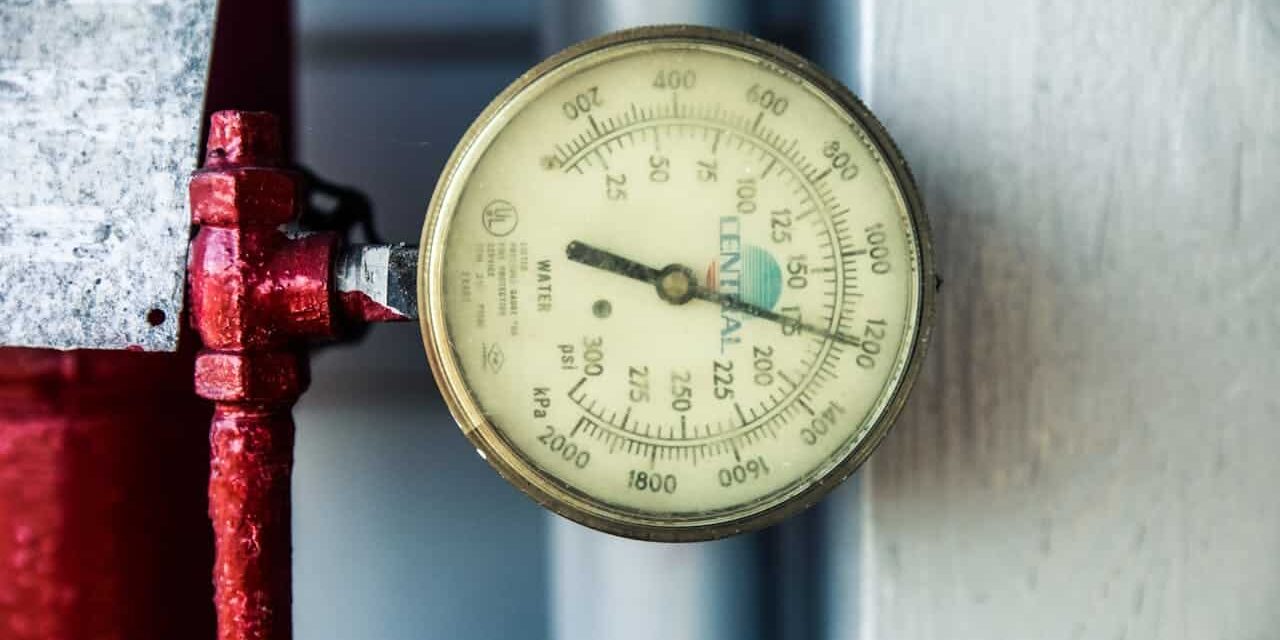
How to Fix It: A plumber can use a gauge to check the water pressure in your home. The best pressure is usually between 40 and 60 psi. If yours is higher, you can add a pressure-reducing valve (PRV) to control the flow and cut down on noise.
2. Loose or Unsecured Pipes
Pipes may slide away from their brackets over time, especially in older homes in Augusta. When this happens, the pipes may shake or sway when water flows through them, which might make knocking or rattling sounds behind your walls, ceilings, or floors.
How to Fix It: A pro can check the pipes and make sure they are safe with the right brackets, clamps, or insulation. If the pipes are inside finished walls, a plumber might be able to secure them with specific tools without having to tear down many things.
3. Water Hammer (Hydraulic Shock)
When flowing water suddenly stops or changes direction, like when a valve or faucet is quickly turned off, this condition is called water hammer. This sudden stop impacts the pipes, which makes a loud crash.
Common Causes of Water Hammer:
- Fast-closing valves (such as dishwashers or washing machines)
- High water pressure
- Air chambers in the plumbing system are becoming waterlogged
How to Fix It: Installing or fixing water hammer arrestors might help your pipes absorb shock and make them quieter. A plumber can also check your system to make sure the air chambers are working well.
4. Sediment Buildup in Pipes or Water Heater
Many homes in Augusta, GA have hard water, which can cause minerals to build up in pipes and water heaters. When silt builds up, it slows down the flow of water and makes it vibrate or rattle as it seeks to travel past the blockage.
How to Fix It: You should flush your water heater once or twice a year to get rid of sediment. A plumber can suggest pipe descaling or putting in a water softener to stop more mineral deposits from forming if there is buildup in your pipes.
5. Changes in Temperature
The metal swells as hot water flows through cold pipes. It shrinks again when it cools, which might make ticking, popping, or rattling sounds. Copper pipes are especially prone to this problem since they expand more than PVC or PEX pipes.
How to Fix It: Insulating your pipes can help cut down on noise from expansion. A plumber might apply foam insulation around pipes that are already exposed, or they might suggest other options for pipes that are already in place.
6. Worn or Faulty Valves
Valves govern the flow of water, and when they are old, clogged, or broken, they can make pipes shake or rattle. Rattling or buzzing sounds can also come from a valve with loose screws or washers within.
How to Fix It: A plumber can look at your valves and replace any parts that are worn out. Sometimes, a full valve replacement is needed to get things running quietly and efficiently again.
7. Aging Plumbing Systems
Older homes, especially those with galvanized steel or copper pipes, may rattle just because they are old. Noise problems can be caused by rust, worn-out brackets, and old plumbing designs.
How to Fix It: If your plumbing is old, replacing it with new pipes can make it quieter, more efficient, and more reliable overall.
When Should You Call a Plumber?
You may fix minor rattling noises by making some easy changes, but you should always have a professional look at pipes that make loud or constant noises. If you don’t pay attention to these signs, you could experience:
- Burst pipes
- Mold growth
- Increased utility bills
- Water damage
Homeowners in Augusta, GA, can count on the skilled staff at Maxwell’s Plumbing to promptly figure out what’s wrong with their rattling pipes and offer reliable, long-lasting fixes. Their knowledge of the area makes sure that your plumbing system stays quiet, works well, and is safe all year long.
Conclusion:
Rattling pipes can be a sign of a bigger plumbing issue. Resolving the problem early can save you time, money, and frustration, no matter if it’s because of high water pressure, loose fittings, or sediment buildup.
The next time you wonder, “Why do pipes rattle?“, remember that finding out what’s causing the noise is the only way to get your home back to normal.
Don’t wait if you hear unusual noises in your plumbing. Call a reliable plumber in your area to check your system and make sure everything is working right. Maxwell’s Plumbing is always ready to make Augusta homeowners feel safe and comfortable with their home’s plumbing.